

Do Air Purifiers Help Prevent Mould? The Truth for Homeowners
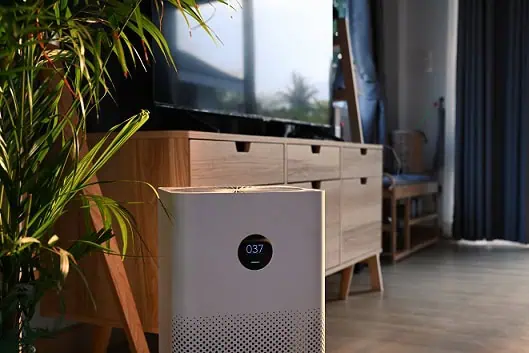
Do air purifiers help prevent mould? Many homeowners are not sure whether getting an air purifier for mold spores control solves their problem or not. The short reply is yes. Air purifiers are highly effective in capturing airborne mould spores from your indoor air, but they do not address the root cause of mould growth. The best air purifier for mould allergies uses HEPA filters to capture up to 99.9% of mould spores. When considering an air purifier vs dehumidifier for mould, a combination of both is an ideal solution to reduce humidity. Hire professional services to address the root cause of moisture.
Key Takeaways:
- Mould growth presents significant challenges in tropical regions.
- According to Asthma Australia, any level of mould in homes is unsafe for health, for people with or without asthma.
- For effective mould spore reduction, air purifiers with HEPA filters should be used in conjunction with dehumidifiers to keep relative humidity between 35% to 50%.
- Some air purifiers combine HEPA filtration with UV-C germicidal lamps to kill mould spores.
- Maintaining a clean, dry home environment is essential to reducing the chances of mould growth.
- Hire professional mould remediation services that follow the industry’s best practices and standards like ANSI/IICRC S520.
Are Air Purifiers Effective Against Mould? A Reality Check
Tired of mould cleaning? Mould growth presents significant challenges in tropical Queensland, where humidity and rainfall create ideal conditions for fungal proliferation in homes and buildings. No matter how much you try, stubborn mould will eventually reappear. Air purifiers are effective in removing airborne mould particles, but eliminating the root cause is essential.
|
Fast Fact According to Asthma Australia, any level of mould in homes is unsafe for health, for people with or without asthma. Around 50% of Australian households report having mould in their homes. |
How Air Purifiers Work?
High-performance particle filtration, such as a HEPA filter for mould removal captures 99.97% of particles down to 0.3 microns, including most airborne particles. Factors affecting an air purifier’s performance involve
- Room size
- Regular filter cleaning
- Continuous use.
If you want to reduce musty odours, activated carbon filters freshen up the air by absorbing the VOCs and gases produced by mould.
Limitations of Air Purifiers
- Air purifiers do not kill or remove mould growing on walls, insulation or carpets.
- They cannot remove moisture from the air, which is the primary root cause of mould growth.
- Installing air purifiers does not solve your problems unless you address the underlying cause of moisture.
Hire professional mould remediation services that follow the industry’s best practices and standards like ANSI/IICRC S520.
What to look for in an Air Purifier?
Inadequate ventilation, homes built before the 1990s, poor insulation, leaky roofs, and condensation from split ACs are the primary causes of mould inside homes.
To prevent mould growth indoors, the combination of HEPA filters and activated carbon offers complete protection against mould, particulate matter and gaseous pollutants.
Air purifiers combining HEPA filtration with UV-C germicidal lamps are designed to kill captured microorganisms and mould spores.
|
For effective mould spore reduction, air purifiers should be used in conjunction with dehumidifiers to keep relative humidity between 35% to 50%. |
How to Reduce Mould in Homes?
Unpredictable weather patterns and events like La Niña increase moisture and humidity significantly. For effective management
- Run the air purifier 24/7, especially in high-risk areas like basements or rooms with poor ventilation.
- Prioritise air changes. Look for a high Clean Air Delivery Rate (CADR) to ensure the air in the room is filtered 4-6 times per hour.
- Replace filters regularly to ensure optimal performance.
Focusing on safety and sustainability, the Australian National Construction Code sets standards for building design, ventilation and moisture management to prevent mould and improve IAQ.
Conclusion
While installing air filters is important and together with dehumidifiers present an effective solution to improve IAQ, they are no solution to thriving mould colonies on drywalls and insulation. To ensure a safe and healthy indoor environment, a proactive strategy combining devices with expert environmental hygiene testing can eliminate the hidden hazards. Schedule a professional assessment now and breathe easy!
FAQs
Can an air purifier kill mould spores?
Air purifiers can capture and reduce airborne mould spores, but they do not kill or eliminate mould growth or moisture issues.
Does a HEPA filter remove mould particles?
Yes, HEPA filters effectively remove mould spores from the air, capturing up to 99.9% of airborne particles.
How to stop mould in the house naturally?
Control moisture, improve ventilation and use dehumidifiers to keep humidity levels below 60%. Ensure proper outdoor drainage.
Do air purifiers help prevent mould permanently?
Air purifiers can not prevent or eliminate the root cause of mould growth permanently. They only lower the number of spores in the air but do not address the underlying conditions that cause it.
Do air purifiers help prevent mould growth or just remove spores?
Air purifiers with true HEPA filters primarily remove airborne spores, reducing the concentration in the air, but do not stop mould growth.

Leave a Reply
Want to join the discussion?Feel free to contribute!