

Do Disinfectants Kill Mould? The Truth About Surface Sanitisation
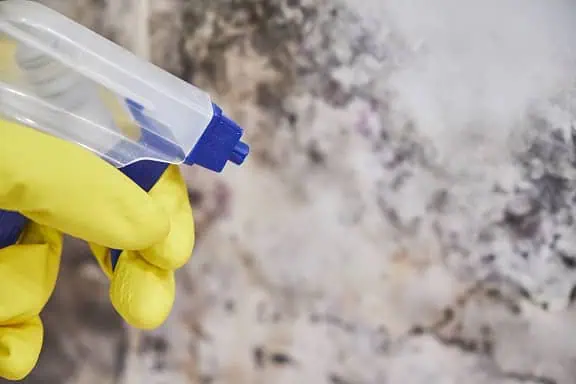
Many people wonder do disinfectants kill mould. The truth is that most commercial anti-mould cleaning solutions do not have absolute germ-killing capabilities and can not prevent mould from returning. EPA-registered disinfectants are effective on hard surfaces, but may not be as useful for porous surfaces. Plus, the traditional formulations with harsh chemicals can cause unintended harm. Using natural disinfectants for mould can ensure a safe, healthy indoor environment. Understand which chemicals are effective and when professional mould remediation becomes necessary.
Key Takeaways:
- High humidity and poor ventilation increase mould growth on organic materials, insulation, walls and flooring surfaces.
- Commercial cleaning products can not prevent mould from coming back and may cause unintended harm.
- Improving ventilation and natural solutions for regular surface cleaning ensure a clean, safe environment.
- The Government of Australia, Department of Health, recommends scrubbing the mould with soapy water as an effective and least damaging way to clean surfaces.
- Hire professional mould remediation services in case of severe infestations.
Is Using Mould Disinfectants a Good Idea?
Relying on disinfectant sprays masks a larger, insidious problem that’s just waiting to be unfolded. Mould removal disinfectant sprays are not a permanent solution to nip the evil in the bud. Many disinfectants are most effective on hard surfaces like countertops, glass and steel. Porous surfaces, like insulation and drywall, the breeding ground of mould, are immune to disinfectants, and you will soon notice a resurgence.
While offering a temporary relief, disinfectants do not address the root cause of mould growth and hence cannot prevent its infestation. Plus, the unintended harm caused by sprays can exacerbate your problems.
An Australian study found that 31% of common cleaning products contain quaternary ammonium compounds, which may contribute to the rise of ‘drug-resistant bugs”.
| The Work Health and Safety Act 2011 emphasises maintaining a safe, mould-free environment in professional settings to boost productivity. |
Safe Home Remedies For Surface Sanitisation
- While many disinfectants and anti-bacterial cleaners are heavily marketed, microbiologists suggest that regular soap and water are sufficient to sanitise surfaces.
- Spray undiluted home vinegar directly on surfaces. It can kill up to 82% of mould species. Let it sit for 2 minutes before wiping it out with a clean, damp cloth.
- Spray 3% hydrogen peroxide on hard surfaces. It can oxidise mould spores. Let it sit for up to 15 mins, then scrub and wipe clean.
- Mix one teaspoon of tea tree oil (a highly potent natural fungicide) with one cup of water. Spray on the affected area and do not rinse. Let it dry to prevent future growth.
- Make a paste of baking soda (a nontoxic, mild agent) and water. Spray the surface with water and apply this paste. It will create a foaming cleaning action, helpful in eliminating mould spores.
- The high citric acid content of lemon juice makes it a potent mould killer, acting as a natural sanitiser. Apply directly to hard surfaces and wipe after 5-10 minutes.
- Never mix vinegar and hydrogen peroxide in a spray bottle, as it can create a harmful acid.
- Improve airflow when cleaning and ensure quick drying.
- Always wear gloves, protective eye wear and masks to prevent inhaling mould spores.
Mould Prevention Tips
- High humidity and poor ventilation increase mould growth on organic materials, insulation, walls and flooring surfaces.
- The best way to kill mould is to improve home ventilation. Open windows and doors every morning and evening for at least 15 minutes to let fresh air circulate
- Repair leaks promptly to prevent insidious moisture damage and mould growth.
- Use dehumidifiers and air purifiers. Maintain an indoor humidity level between 30% and 50% to make the environment inhospitable to mould.
- Avoid using commercial products if your household members have sensitivities. Many people, children or pets may be sensitive to organic formulas.
| Stachybotrys Chartarum or Black Mould can be extremely harmful. Hire professional mould remediation services if you discover its colonies. |
Conclusion
Disinfectants are only temporary solutions for a major, stubborn problem. Relying solely on surface sprays ignores the underlying causes of water damage and excessive humidity. The best approach is to combine targeted cleaning with professional mould remediation services for a clinically safe IAQ and a sound structure.
FAQs
Do disinfectants kill mould completely?
Disinfectants do not always kill mould, particularly on porous surfaces where roots can survive deep inside.
Do disinfectants kill mould spores on walls?
Specific disinfectants can kill mould spores on non-porous walls but are less effective on porous drywalls.
Do disinfectants kill mould on different surfaces?
While disinfectants can kill surface mould, they can not penetrate deep into porous materials to kill the roots.
Can disinfectants kill mould faster than natural remedies?
Yes, commercial disinfectants, especially EPA-registered ones, kill mould much faster than natural remedies, particularly on hard surfaces.
Do disinfectants kill mould on fabric and furniture?
Yes, some disinfectants can kill mould on fabric and furniture, but the effectiveness depends on the type of material and the severity of the infestation.


Leave a Reply
Want to join the discussion?Feel free to contribute!