Table of Contents
- Why Small, Strategic Upgrades Matter
- Enhance Curb Appeal: First Impressions Count
- Refresh the Interior: Light, Space, and Cleanliness
- Smart Kitchen and Bathroom Tweaks: High-Impact Areas
- Address the "Hidden" Essentials: Peace of Mind for Buyers
- What to Avoid: Common Pre-Sale Upgrade Mistakes
- Frequently Asked Questions
Why Small, Strategic Upgrades Matter
When preparing your property for sale, the goal isn't always to undertake a complete overhaul, but rather to make targeted improvements that offer the best return on investment. Focusing on small, strategic upgrades helps your property stand out to prospective buyers by enhancing its perceived value, improving first impressions, and addressing minor issues that could deter offers, all without overcapitalising.
Buyers often make emotional decisions, and a property that feels well-maintained, clean, and inviting from the moment they see it can significantly influence their perception and willingness to pay more. These smaller changes are typically budget-friendly, quicker to implement, and directly impact a buyer's immediate experience of the home.
Pro tip: Think like a buyer on their first walkthrough. What would immediately impress them or, conversely, raise a red flag? Address those points first.
Enhance Curb Appeal: First Impressions Count
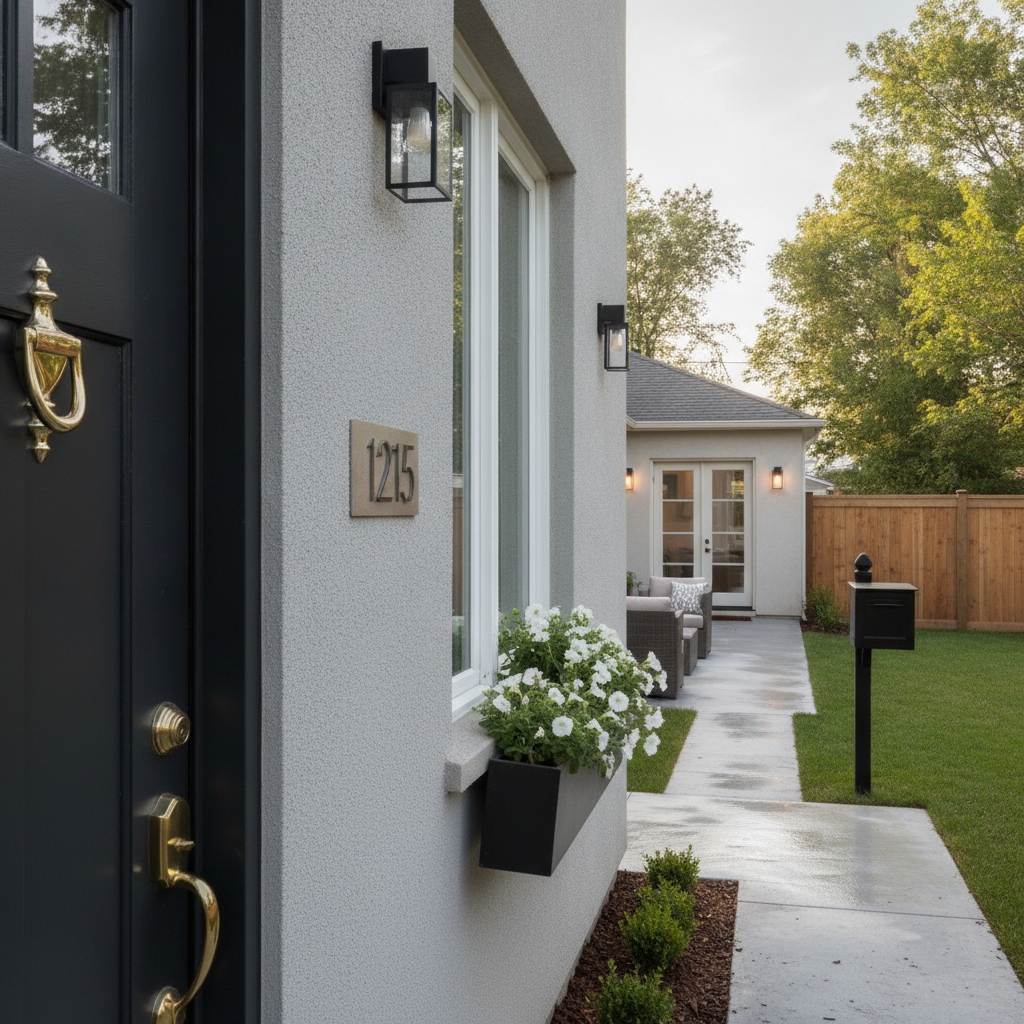
Curb appeal is the very first impression buyers get of your property, influencing whether they even step inside. Prioritise tidying the exterior to make the home look welcoming and well-cared for before they even open the front door.
- Tidy the Garden: Mow the lawn, trim hedges, weed garden beds, and add fresh mulch. Consider a few potted plants to add a pop of colour near the entrance.
- Clean Exterior Surfaces: Pressure wash pathways, driveways, and the exterior walls to remove grime and cobwebs. Clean windows until they sparkle.
- Front Door Refresh: A freshly painted front door in a welcoming colour can make a huge difference. Ensure the handle and lock are clean and functional.
- Fix Minor Flaws: Repair any loose fence palings, broken tiles, or peeling paint on exterior trim. These small fixes communicate that the property is well-maintained.
Refresh the Interior: Light, Space, and Cleanliness
Inside, buyers are looking for a space they can envision themselves living in. Focus on creating a bright, spacious, and impeccably clean environment that feels fresh and neutral.
- Fresh Paint: A fresh coat of neutral paint (off-white, light grey, or beige) throughout the interior instantly brightens rooms, covers imperfections, and creates a clean canvas for buyers.
- Declutter and Depersonalise: Remove excessive furniture, personal photos, collectibles, and anything that makes the space feel cramped or too specific to your taste. Less clutter makes rooms appear larger and allows buyers to project their own belongings into the space.
- Deep Clean Everything: Professional cleaning can transform a property. This includes carpets, windows, bathrooms, and kitchens. A spotless home signals meticulous care to buyers. For thorough end-of-lease cleaning standards, our guide on Your Comprehensive End of Lease Bond Cleaning Checklist offers valuable insights.
- Optimise Lighting: Ensure all light bulbs are working and use higher wattage bulbs to make rooms brighter. Clean light fixtures and consider adding floor or table lamps to poorly lit areas.
- Minor Repairs: Fix dripping taps, broken cabinet handles, squeaky doors, and small holes in walls. These seem minor, but collectively they can make a property feel neglected.
Smart Kitchen and Bathroom Tweaks: High-Impact Areas
Kitchens and bathrooms are often the most scrutinised rooms and can make or break a sale. You don't need a full renovation; smart, small upgrades here can yield significant returns.
- Regrout Tiles: Old, discoloured grout makes bathrooms and kitchens look dated and dirty. Fresh, clean grout can dramatically revitalise tiled surfaces.
- Update Fixtures: Swapping out old, tarnished tapware, showerheads, and cabinet handles for modern, matching options is a relatively inexpensive way to modernise these rooms.
- Caulk and Seal: Re-caulk around sinks, bathtubs, and shower bases to ensure a clean, watertight seal. This prevents mould and gives a refreshed look.
- Clean and Organise: Thoroughly clean all appliances, benchtops, and inside cabinets. Organise pantry shelves and toiletries to show off storage potential.
Address the "Hidden" Essentials: Peace of Mind for Buyers
Beyond the visible aesthetics, certain underlying factors can impact a buyer's confidence and willingness to proceed. Addressing these proactive ensures a smoother sale process.
- Pest Control: Arrange for professional pest control. No buyer wants to discover pests after moving in, and a pest-free certificate can be a good selling point.
- Environmental Hygiene Checks: Consider environmental hygiene testing to assure buyers of the property's health and safety. Issues like mould or contaminants, even if not immediately visible, can cause significant concern. Our article Why Environmental Hygiene Testing is Crucial for Every Property Owner explains this further.
- Meth Residue Testing: If the property was previously rented or you have any concerns, a meth residue test can provide peace of mind for both you and potential buyers, eliminating a common concern in today's market. Learn more in our guide on Meth Residue Testing for Rental Properties: Your Essential Landlord's Guide.
- Basic Safety Checks: Ensure smoke detectors are working, electrical outlets are safe, and basic plumbing is in good order. These contribute to a buyer's sense of security.
What to Avoid: Common Pre-Sale Upgrade Mistakes
While small upgrades are beneficial, it's equally important to know where not to spend your money to ensure your efforts deliver value rather than waste resources.
- Overcapitalising: Avoid major renovations that you won't recoup. If the cost of the upgrade is disproportionate to the expected increase in sale price for your area, it's not worth it.
- Too Much Personalisation: Steer clear of bold colours, highly specific wallpaper, or unique fixtures that reflect only your taste. Buyers want to imagine their own style in the home.
- Ignoring Professional Cleaning: Don't underestimate the power of a professional deep clean. A surface clean by yourself might miss crucial details that a professional service can catch, like stubborn stains or hidden grime.
- Expensive Landscaping for a Quick Sale: While tidy gardens are essential for curb appeal, elaborate and costly landscaping projects often don't provide a significant enough return in a quick sale scenario. Focus on neatness, not grand design.
- DIY Disasters: Only undertake DIY tasks you are confident you can execute to a professional standard. A poorly executed DIY project can look worse than the original flaw and deter buyers.
By focusing on these strategic, small upgrades, you can present your property in its best light, attract more interest, and ultimately achieve a better sale outcome without the stress or expense of a major overhaul.
Frequently Asked Questions
How much should I spend on pre-sale upgrades?
Aim to spend a small percentage of your property's value, typically 1-2%, on pre-sale upgrades. The key is to focus on changes that have a high impact on buyer perception and offer a strong return on investment, rather than simply spending money.
What is the most important thing to fix before selling?
The most important things to fix are those that impact a buyer's first impression and sense of security: curb appeal, overall cleanliness, and any obvious minor repairs. A fresh coat of neutral paint and meticulous cleaning are often cited as having the highest impact.
Should I replace carpet or just clean it?
If carpets are relatively new and only lightly soiled, a professional deep clean is often sufficient and more cost-effective. However, if carpets are old, heavily stained, worn, or have persistent odours, replacing them with a neutral, affordable option can significantly improve the interior appeal.
Do appliances need to be brand new?
No, appliances do not need to be brand new for a property to sell well. Buyers primarily look for appliances that are clean, in good working order, and match the general style of the kitchen. If existing appliances are functional and presentable, focus your budget elsewhere.