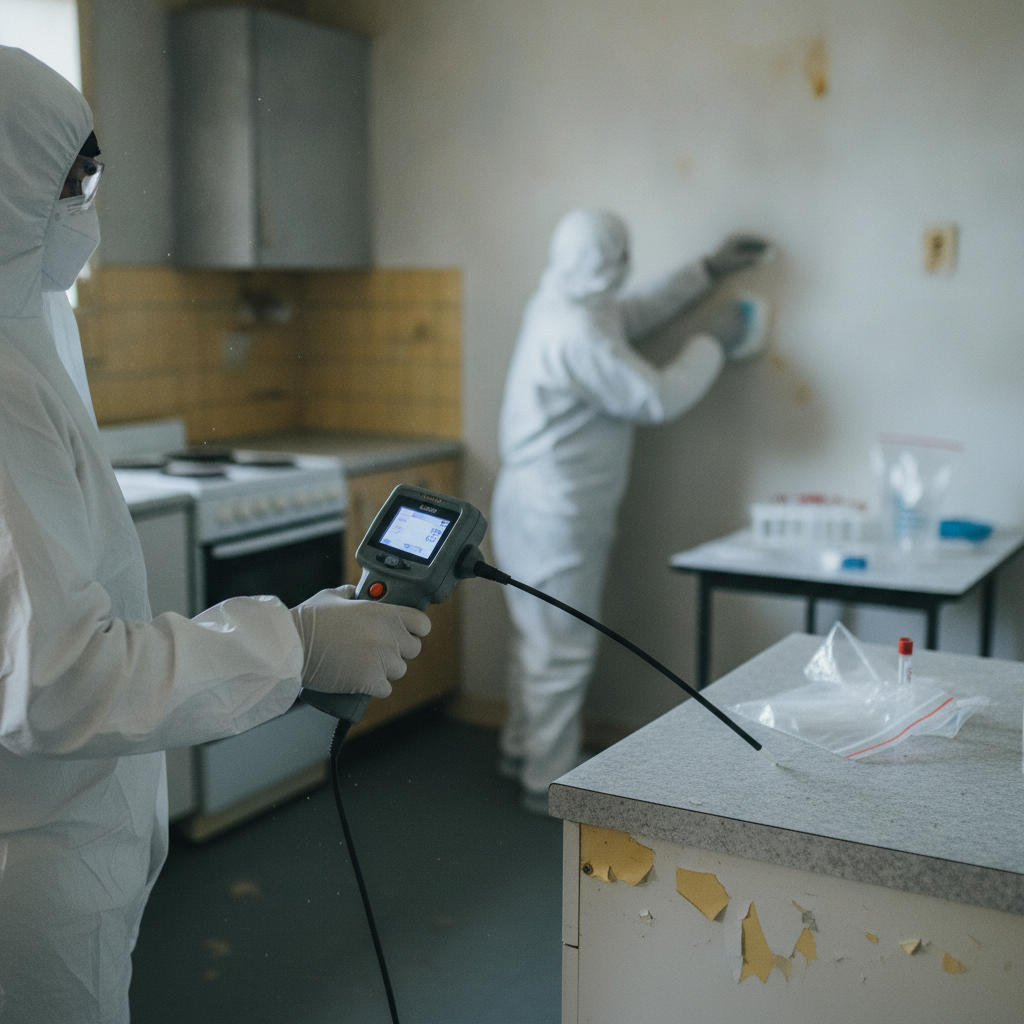
As a property owner, managing rental properties comes with a unique set of responsibilities, not least of which is ensuring a safe and healthy environment for your tenants. One often-overlooked but significant threat is methamphetamine (meth) residue contamination. Meth residue testing for rental properties involves screening and confirmatory tests to detect methamphetamine contamination, crucial for protecting property value, tenant health, and landlord liability.
Ignoring the potential for meth contamination can lead to severe health risks for occupants, costly property damage, and significant legal and financial repercussions for you as the landlord. This guide will walk you through what meth residue is, why testing is vital, when to conduct it, and what steps to take if contamination is found, helping you manage this risk effectively.
Table of Contents
- Understanding Meth Residue and Its Impact
- Why Is Meth Residue Testing Crucial for Landlords?
- When Should You Conduct Meth Residue Testing?
- How Does Meth Residue Testing Work?
- What Happens if Your Property Tests Positive for Meth Residue?
- Proactive Measures to Protect Your Rental Property
- Frequently Asked Questions
Understanding Meth Residue and Its Impact
Methamphetamine residue refers to the chemical byproducts left behind after meth is smoked, manufactured, or used in a property. These residues are often invisible and odorless, but they can permeate porous surfaces like walls, carpets, and ventilation systems, posing serious health risks.
Exposure to meth residue can cause a range of health problems for occupants, including respiratory issues, skin irritation, headaches, nausea, and long-term neurological damage, particularly in children and vulnerable individuals. Beyond health, contamination significantly devalues your property, making it difficult to rent or sell. Remediation costs can run into tens of thousands, sometimes even hundreds of thousands, of dollars depending on the extent of the contamination, making it a critical consideration for every property owner.
Why Is Meth Residue Testing Crucial for Landlords?
Conducting meth residue testing is essential for landlords to mitigate significant health, financial, and legal risks associated with contaminated properties.
- Protecting Tenant Health: Your primary responsibility as a landlord is to provide a safe living environment. Undetected meth residue can lead to serious health issues for your tenants, especially children, making testing a moral and ethical imperative.
- Safeguarding Your Investment: A contaminated property can lose substantial market value. Remediation is often extensive and costly, including removing and replacing contaminated materials. Proactive testing helps you avoid these severe financial setbacks.
- Minimizing Legal Liability: Landlords can face legal action from tenants who suffer health problems due to meth exposure in a rental property. Being able to demonstrate that you took reasonable steps to ensure the property's safety, including testing, can be vital for your legal protection.
- Ensuring Compliance: Many regions have specific guidelines or regulations regarding acceptable meth residue levels in properties. Understanding and adhering to these standards is crucial for compliance.
Pro tip: Consider meth residue testing as part of a broader environmental hygiene testing strategy for your property to ensure a comprehensive assessment of its health and safety.
When Should You Conduct Meth Residue Testing?
Strategic timing for meth residue testing can prevent future problems and save you significant costs. Here are the key scenarios when testing is highly recommended:
Before Purchasing a Property
Always consider testing a property for meth residue before you buy it, especially if it was previously a rental or has a suspicious history. This due diligence can save you from inheriting a costly problem. Identifying contamination before purchase allows you to negotiate the price, require the seller to remediate, or walk away from the deal.
Between Tenancies
The period between tenants is an ideal time for testing. A thorough end-of-lease inspection can reveal clues, but only professional testing confirms the presence of residue. Testing here protects new tenants and ensures you aren't liable for previous occupants' activities. This also establishes a baseline for future comparisons.
After a Suspicious Vacancy or Eviction
If a tenant leaves abruptly, is evicted, or if you suspect illegal drug activity, immediate testing is crucial. Signs like unusual chemical odors, yellow or brown staining on walls, or unusual modifications to the property warrant investigation.
Before and After Significant Renovations
Contamination can be hidden within wall cavities or subflooring. Testing before renovations helps identify issues before disturbing contaminated materials, which could spread residue. Testing after ensures any new materials or areas are not also contaminated.
How Does Meth Residue Testing Work?
Meth residue testing typically involves a two-stage process: initial screening and, if necessary, laboratory analysis.
1. Initial Screening Test
A trained professional will take samples from various surfaces within the property. These samples are usually collected using cotton swabs or absorbent wipes. The goal of this stage is to identify if meth residue is present above a general screening threshold. These tests are qualitative, indicating presence, and sometimes provide a preliminary indication of concentration.
2. Laboratory Confirmatory Testing
If the screening test indicates the presence of meth residue, or if a more precise quantification is needed, samples are sent to an accredited laboratory for detailed analysis. The lab uses advanced techniques to precisely measure the concentration of methamphetamine per square centimetre. This quantitative result is critical for determining the extent of contamination and guiding the remediation process, aligning with local health guidelines and accepted industry standards.
Note: While DIY meth testing kits are available, they often lack the accuracy and reliability of professional testing and accredited laboratory analysis. For definitive results and legal validity, always rely on certified professionals.
What Happens if Your Property Tests Positive for Meth Residue?
Discovering meth residue in your rental property can be daunting, but a structured approach to remediation is essential. Here's a general outline of the steps:
- Professional Assessment: Engage a qualified environmental hygienist or remediation specialist. They will provide a detailed report outlining the extent of contamination, the specific areas affected, and a tailored remediation plan.
- Isolation and Safety: The property must be vacated and isolated to prevent further exposure. Access should be restricted to remediation professionals.
- Decontamination: This is an intensive process that may involve:
- Removing all soft furnishings, carpets, curtains, and sometimes even plasterboard or insulation, as these materials absorb residue readily.
- Thoroughly cleaning and decontaminating all hard surfaces, including walls, ceilings, floors, and fixtures, using specialised chemical cleaning agents.
- Cleaning or replacing ventilation systems, air conditioners, and any other systems that could harbor or circulate residue.
- Post-Remediation Testing: Once decontamination is complete, the property must be re-tested by an independent, accredited laboratory. This clearance test confirms that residue levels are below safe, acceptable limits set by local health authorities or industry standards.
- Reinstatement: Only after receiving a clear post-remediation certificate can the property be safely refitted with new materials and prepared for re-occupancy.
Proactive Measures to Protect Your Rental Property
Preventing meth contamination is always better than reacting to it. Implement these proactive measures to safeguard your investment:
- Thorough Tenant Screening: Implement rigorous screening processes for all prospective tenants, including background checks, rental history verification, and personal references. While not foolproof, this can help identify high-risk individuals.
- Regular Property Inspections: Conduct routine inspections of your rental property as permitted by law and tenancy agreements. Look for unusual odors, excessive ventilation, stained walls, covered windows, or any signs that suggest illegal activities. Document everything with photos.
- Educate Yourself and Your Tenants: Be aware of the signs of meth use or production. While you can't accuse without proof, being vigilant helps. You might also provide tenants with information on property care, discouraging any illicit activities.
- Build a Good Relationship with Tenants: Open communication can sometimes lead to tenants reporting suspicious activities, though this should never be expected.
- Professional Management: Consider engaging a professional property management company. They are often experienced in identifying potential issues and handling sensitive situations like suspected drug activity or contamination.
By implementing proactive measures and understanding the importance of meth residue testing for rental properties, you can protect your investment, ensure the health and safety of your tenants, and maintain peace of mind as a responsible landlord.
Frequently Asked Questions
Is meth residue testing mandatory for rental properties?
Mandatory meth residue testing varies by region and jurisdiction. While it may not be legally required everywhere, conducting tests is strongly recommended to fulfill your duty of care as a landlord and protect your property and tenants from significant health and financial risks.
How much does meth residue testing cost?
The cost of meth residue testing depends on the property size, the number of samples taken, and whether laboratory analysis is required. Initial screening tests are generally more affordable, while comprehensive lab testing will incur higher costs. It is an investment that pales in comparison to potential remediation expenses or legal fees.
Can I test for meth residue myself?
While DIY meth testing kits exist, they are often less accurate and reliable than professional testing. For definitive results, particularly those that may be required for legal or insurance purposes, it is always advisable to use a certified professional and accredited laboratory services.
How long does meth residue stay in a property?
Meth residue does not degrade quickly and can remain in a property for many years, potentially decades, if not properly remediated. It can continue to pose a health risk to occupants over extended periods, making professional decontamination essential once detected.
Taking a proactive stance on meth residue testing helps secure your investment and ensures a safe, healthy environment for your tenants. For more information or assistance with property management, contact Restart Property Group today.