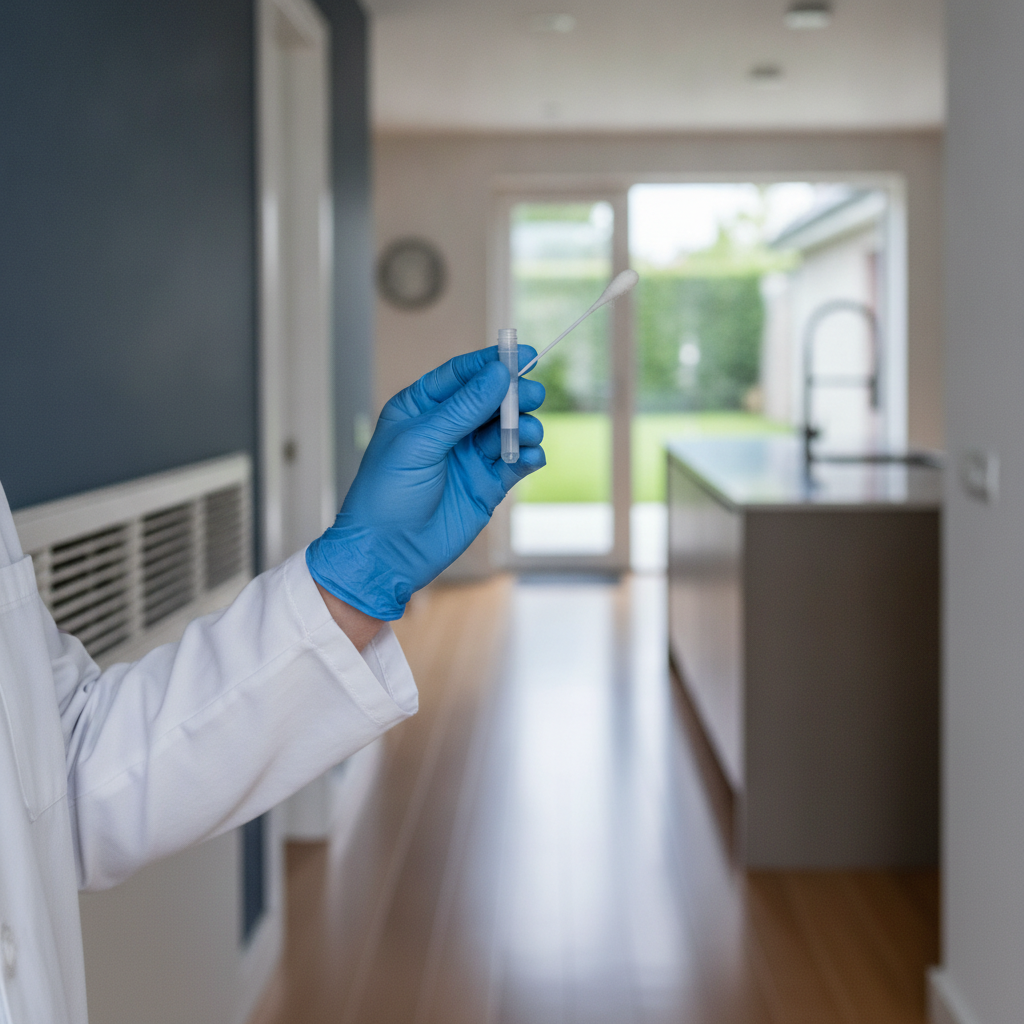
When you look at a property, what do you see? Often, it’s the visible cleanliness, the fresh paint, or the well-maintained garden. But what lies beneath the surface, unseen and undetected, can pose significant risks to both the building’s integrity and its occupants’ health. This is why environmental hygiene testing is crucial for property owners: it identifies hidden contaminants like mould, bacteria, allergens, and chemicals, safeguarding occupant wellbeing, preserving property value, and ensuring compliance with health standards.
Understanding the unseen dangers and the benefits of proactive testing is essential for any property owner, whether you're managing rentals, preparing a property for sale, or simply maintaining your own home.
Table of Contents
- What is Environmental Hygiene Testing?
- Key Contaminants Detected by Environmental Hygiene Testing
- Protecting Occupant Health and Wellbeing
- Safeguarding Your Property Investment
- Ensuring Compliance and Mitigating Legal Risks
- When to Consider Environmental Hygiene Testing
- What Does Environmental Hygiene Testing Involve?
- Frequently Asked Questions
What is Environmental Hygiene Testing?
Environmental hygiene testing is a specialized process that involves collecting samples from various surfaces, air, and water within a property to identify and quantify biological, chemical, and physical contaminants. Unlike routine cleaning, which addresses visible dirt and grime, hygiene testing provides a scientific assessment of the invisible environment, revealing potential health hazards that standard inspections often miss.
This comprehensive analysis goes beyond surface-level observations to pinpoint the exact nature and concentration of harmful substances, allowing property owners to take targeted remediation actions. It's a proactive measure designed to ensure the safety and long-term habitability of any building.
Note: Environmental hygiene testing differs significantly from a general property inspection or standard cleaning services. While a comprehensive end-of-lease bond cleaning checklist focuses on aesthetic cleanliness, hygiene testing delves into the unseen microbial and chemical integrity of the environment.
Key Contaminants Detected by Environmental Hygiene Testing
Environmental hygiene testing can uncover a range of hidden threats that compromise indoor air quality and surface safety. Understanding these common contaminants helps property owners appreciate the scope and value of professional testing.
Mould and Fungi
Mould spores are ubiquitous, but when they find moisture indoors, they can proliferate rapidly, releasing allergens, irritants, and sometimes mycotoxins. Testing identifies not only the presence but also the specific types and concentrations of mould, which is crucial for effective remediation, as different moulds pose different health risks.
Bacteria and Viruses
Surfaces and air can harbour harmful bacteria and viruses, especially in high-traffic areas or where cleanliness protocols are inadequate. Testing can detect pathogens like E. coli, Salmonella, and other bacteria that can cause infections, providing vital information for targeted disinfection strategies.
Volatile Organic Compounds (VOCs)
Many common household products, building materials, and furnishings release VOCs into the air, which can cause respiratory issues, headaches, and other health problems. Examples include formaldehyde from furniture or paint fumes. Hygiene testing measures VOC levels, helping to identify sources and improve indoor air quality.
Allergens
Beyond mould, indoor environments can contain significant levels of other allergens like dust mites, pet dander, and pollen. Testing quantifies these allergens, assisting in creating healthier spaces, especially for occupants with sensitivities or asthma.
Chemical Residues
Properties can retain residues from illicit drug manufacturing, harsh cleaning agents, or pesticide use. For instance, meth residue testing for rental properties is a specific type of environmental hygiene testing that protects landlords from significant health and financial liabilities. Other chemical contaminants can also be detected, ensuring a safe living or working environment.
Protecting Occupant Health and Wellbeing
The primary benefit of environmental hygiene testing is the direct positive impact on the health and safety of anyone occupying the property. Invisible contaminants can cause a wide range of health issues, from minor irritations to severe chronic conditions.
- Preventing Respiratory Problems: Mould, dust mites, and VOCs are common triggers for asthma, allergies, and other respiratory ailments. Identifying and eliminating these threats significantly improves air quality, reducing the risk of illness.
- Reducing Infection Risks: Detecting harmful bacteria and viruses allows for targeted cleaning and disinfection, minimizing the spread of infectious diseases, which is particularly important in shared living or commercial spaces.
- Ensuring a Safe Living Environment: For families with young children, elderly residents, or individuals with compromised immune systems, a clean bill of health from environmental testing offers peace of mind and proactive protection against unseen dangers.
Safeguarding Your Property Investment
Beyond health concerns, environmental hygiene testing plays a critical role in protecting your property's financial value and structural integrity. Undetected issues can lead to costly repairs and devalue your asset.
- Preventing Structural Damage: Persistent mould growth, often stemming from unaddressed moisture issues, can weaken building materials, leading to expensive structural repairs if not caught early.
- Maintaining Property Value: A property with a history of environmental issues, or one where such issues are discovered during a sale, can see a significant drop in market value. Proactive testing helps maintain the property's appeal and resale value. This can be as impactful as small pre-sale upgrades that truly help your property sell.
- Avoiding Costly Remediation: Early detection through hygiene testing means issues can often be addressed before they become widespread and require extensive, costly remediation efforts.
- Boosting Tenant Confidence: For rental properties, providing evidence of a healthy living environment can attract and retain quality tenants, reducing vacancy rates and protecting rental income.
Ensuring Compliance and Mitigating Legal Risks
Property owners have a duty of care to provide safe and habitable environments. Environmental hygiene testing helps meet these obligations and can be crucial in avoiding legal disputes.
- Meeting Health Standards: Many jurisdictions have specific health and safety standards for residential and commercial properties. Testing helps ensure these standards are met, particularly concerning indoor air quality and contaminant levels.
- Protecting Against Liability Claims: If tenants or occupants suffer health issues attributed to environmental contaminants in your property, you could face significant legal liability. Documentation from hygiene testing demonstrates due diligence and proactive management.
- Facilitating Insurance Claims: In some cases, evidence of environmental contamination detected through professional testing may be required or helpful for insurance claims related to property damage or health issues.
When to Consider Environmental Hygiene Testing
While preventative testing is always a good idea, certain situations make environmental hygiene testing particularly advisable for property owners:
- Before Purchasing a Property: A pre-purchase hygiene test can uncover hidden issues that a standard building inspection might miss, saving you from inheriting expensive problems.
- After Water Damage or Leaks: Any flood, leak, or sustained moisture event significantly increases the risk of mould and bacterial growth, even if not immediately visible.
- Before and After Tenant Occupancy: For rental properties, testing before a new tenant moves in, or after a tenant vacates, can establish a baseline, identify pre-existing conditions, or detect issues left behind (e.g., meth residue).
- If Occupants Report Health Issues: If residents experience unexplained respiratory problems, allergies, or other health complaints that seem linked to their time in the property, testing can identify environmental triggers.
- When Renovating or Remodelling: Disturbing older building materials can release asbestos or lead particles. Post-renovation testing ensures the air quality is safe before re-occupancy.
- During Suspected Odours: Persistent musty or chemical odours, even without visible signs, often indicate hidden mould, bacterial growth, or VOC emissions.
What Does Environmental Hygiene Testing Involve?
The process of environmental hygiene testing is thorough and typically follows several key steps:
- Initial Consultation: A qualified professional discusses your concerns, the property's history, and any specific areas of interest.
- On-Site Inspection: A visual inspection is performed to identify potential problem areas, moisture sources, and signs of contamination.
- Sample Collection: Various samples are collected, which may include air samples (for mould spores, VOCs, allergens), surface swabs (for bacteria, mould, chemical residues), and bulk material samples (for specific identification of contaminants in building materials).
- Laboratory Analysis: Samples are sent to accredited laboratories for detailed analysis. Specialists identify and quantify contaminants present.
- Comprehensive Report: You receive a detailed report outlining the findings, including the types and levels of contaminants, their potential sources, and recommended remediation strategies.
- Recommendations for Remediation: Based on the report, the professional will provide actionable advice on how to effectively address any detected issues, ranging from cleaning protocols to professional remediation services.
Frequently Asked Questions
Is environmental hygiene testing necessary if my property looks clean?
Yes, environmental hygiene testing is still necessary even if your property appears clean. Many significant contaminants like mould spores, bacteria, VOCs, and chemical residues are invisible to the naked eye but can still pose serious health risks and damage to the property.
How long does environmental hygiene testing take?
The on-site sample collection for environmental hygiene testing typically takes a few hours, depending on the size and complexity of the property. Laboratory analysis and report generation can then take several days to a couple of weeks, depending on the specific tests performed.
Can I do environmental hygiene testing myself with a DIY kit?
While DIY kits are available, they often lack the accuracy, comprehensive scope, and professional interpretation needed for reliable results. Professional environmental hygienists use specialized equipment, follow strict protocols, and provide expert analysis and recommendations that DIY kits cannot match, making professional testing a safer and more effective option.
What should I do if the test results show contamination?
If environmental hygiene test results indicate contamination, the first step is to consult with the professional who conducted the testing. They will explain the findings in detail and recommend specific remediation steps, which might involve targeted cleaning, repairs, or engaging specialized remediation services to safely remove the contaminants and prevent recurrence.
Protecting your property investment and the wellbeing of its occupants starts with understanding the full picture, both seen and unseen. Environmental hygiene testing offers that clarity, transforming potential liabilities into assets of safety and value.
For further insights into property maintenance and management, explore more articles on the Restart Property Group blog or get in touch with our team for expert advice.