Table of Contents
- What is Meth Residue and Why is it a Problem for Landlords?
- When Should You Consider Meth Residue Testing?
- How Does Meth Residue Testing Work?
- Understanding the Results: What Do the Numbers Mean?
- What Happens if Meth Residue is Found?
- Preventative Measures for Landlords
- Frequently Asked Questions
- Protecting Your Investment and Your Tenants
As a property owner, your rental property is more than just an investment; it's a home for your tenants. One hidden threat that can compromise both health and value is methamphetamine (meth) residue. Meth residue testing for rental properties involves screening surfaces for methamphetamine contamination to protect occupants' health, ensure legal compliance, and safeguard property value. This comprehensive guide will walk you through everything you need to know, from understanding the risks to navigating the testing and remediation process.
What is Meth Residue and Why is it a Problem for Landlords?
Methamphetamine residue is a chemical byproduct left behind on surfaces, walls, and ventilation systems after meth has been smoked or manufactured within a property. This residue is a serious concern for landlords due to its potential health impacts, legal implications, and significant financial costs.
- Health Risks: Exposure to meth residue can cause a range of health issues for occupants, including respiratory problems, skin irritation, headaches, nausea, and neurological symptoms. Children and vulnerable individuals are particularly susceptible.
- Legal Liabilities: As a landlord, you have a duty of care to provide a safe and habitable environment. Undetected meth contamination can lead to legal action from tenants, potential fines, and difficulties with insurance claims if the property is deemed unsafe.
- Financial Burdens: Decontaminating a meth-affected property is an expensive and specialized process, often requiring extensive cleaning, removal of contaminated materials, and professional oversight. This can lead to substantial remediation costs, loss of rental income during remediation, and a decrease in property value.
When Should You Consider Meth Residue Testing?
You should consider meth residue testing in several key scenarios, both proactively to mitigate risk and reactively when suspicions arise. Being proactive can save you significant time and money in the long run.
- Between Tenancies: This is an ideal time for proactive testing, especially if there were any concerns about previous tenants or if the property is located in an area with known meth activity. Testing vacant properties provides peace of mind before new tenants move in.
- Suspicion During Tenancy: If you or your property manager notice unusual odors, stained walls or carpets, excessive security measures, or suspicious chemical containers, immediate testing is warranted.
- Before Property Purchase: Due diligence for any new property acquisition should include meth testing, particularly for properties with a history of rapid turnover, short-term rentals, or distressed sales.
- Following Police Activity: If police or emergency services have attended the property for drug-related incidents, assume contamination and arrange testing.
- Routine Preventative Measure: Some landlords integrate meth testing into their regular property maintenance schedule or as part of their end-of-lease procedures to ensure ongoing safety.
Pro tip: Consider making meth testing a standard part of your end-of-lease procedures for peace of mind and protecting your investment and future tenants.
How Does Meth Residue Testing Work?
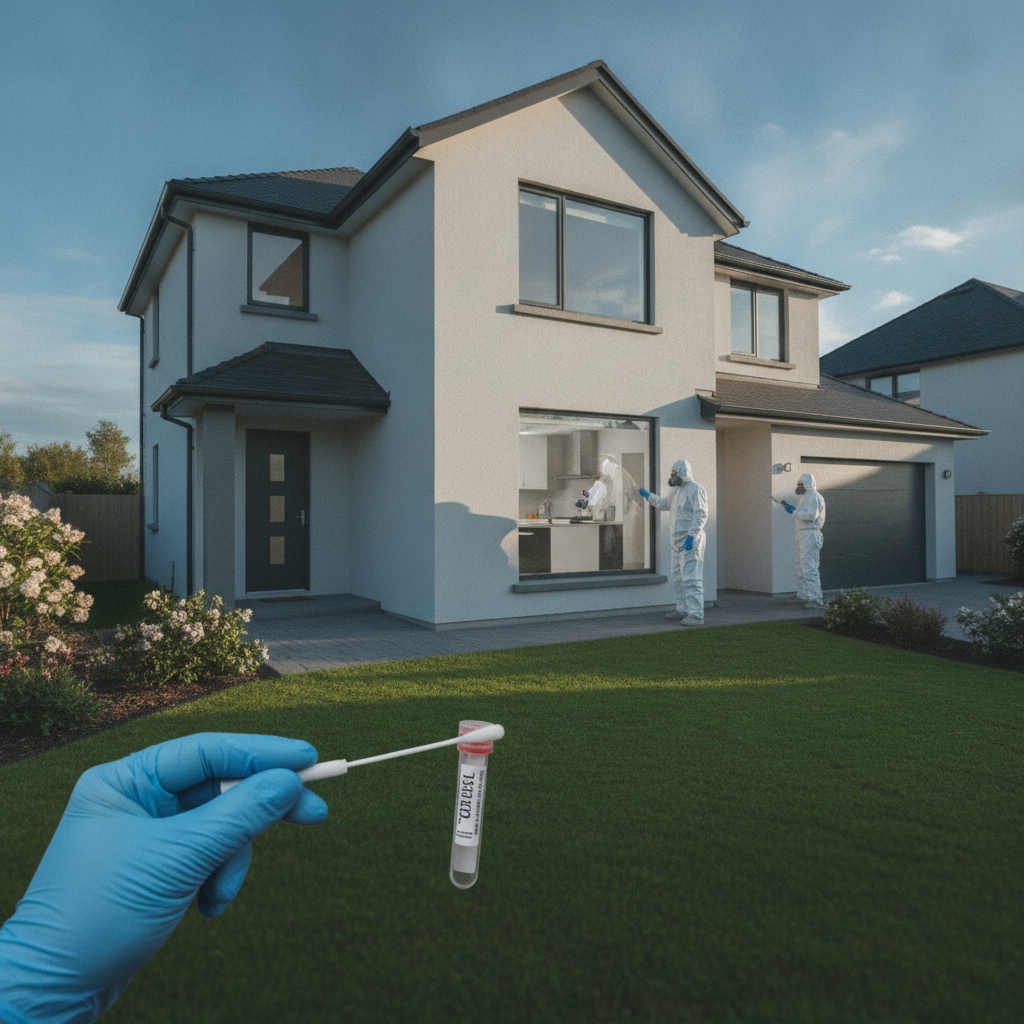
Meth residue testing typically involves two main stages: initial screening and comprehensive laboratory analysis, each serving a distinct purpose in identifying contamination.
Preliminary Screening
Preliminary screening tests, often using rapid test kits, provide a quick and cost-effective indication of possible contamination. These kits typically involve wiping surfaces and checking for a color change, offering immediate results. While useful for an initial assessment, these kits are generally not suitable for definitive legal evidence or for guiding remediation efforts due to their limited accuracy and specificity.
Comprehensive Laboratory Testing
For conclusive results, professional comprehensive laboratory testing is essential. This involves trained technicians taking multiple surface samples from various areas within the property. These samples are then sealed and sent to an accredited laboratory for precise analysis using sophisticated equipment. This method provides accurate contamination levels, which are crucial for legal compliance and informing any necessary remediation plans.
Steps for Professional Testing:
- Contact a Provider: Engage an accredited environmental hygiene testing provider.
- On-Site Sampling: A qualified technician will visit the property to strategically collect surface swab samples from high-risk areas.
- Laboratory Analysis: Samples are sent to an independent, accredited laboratory for analysis to determine the presence and concentration of meth residue.
- Detailed Report: You receive a comprehensive report outlining the findings, including contamination levels and recommendations for next steps.
Understanding the Results: What Do the Numbers Mean?
Once you receive your meth residue testing report, understanding the figures and their implications is crucial. The report will typically indicate the concentration of methamphetamine detected in micrograms per a specific surface area (e.g., µg/100cm²).
These numbers are compared against local or national guidelines for safe occupancy levels. It's important to note that