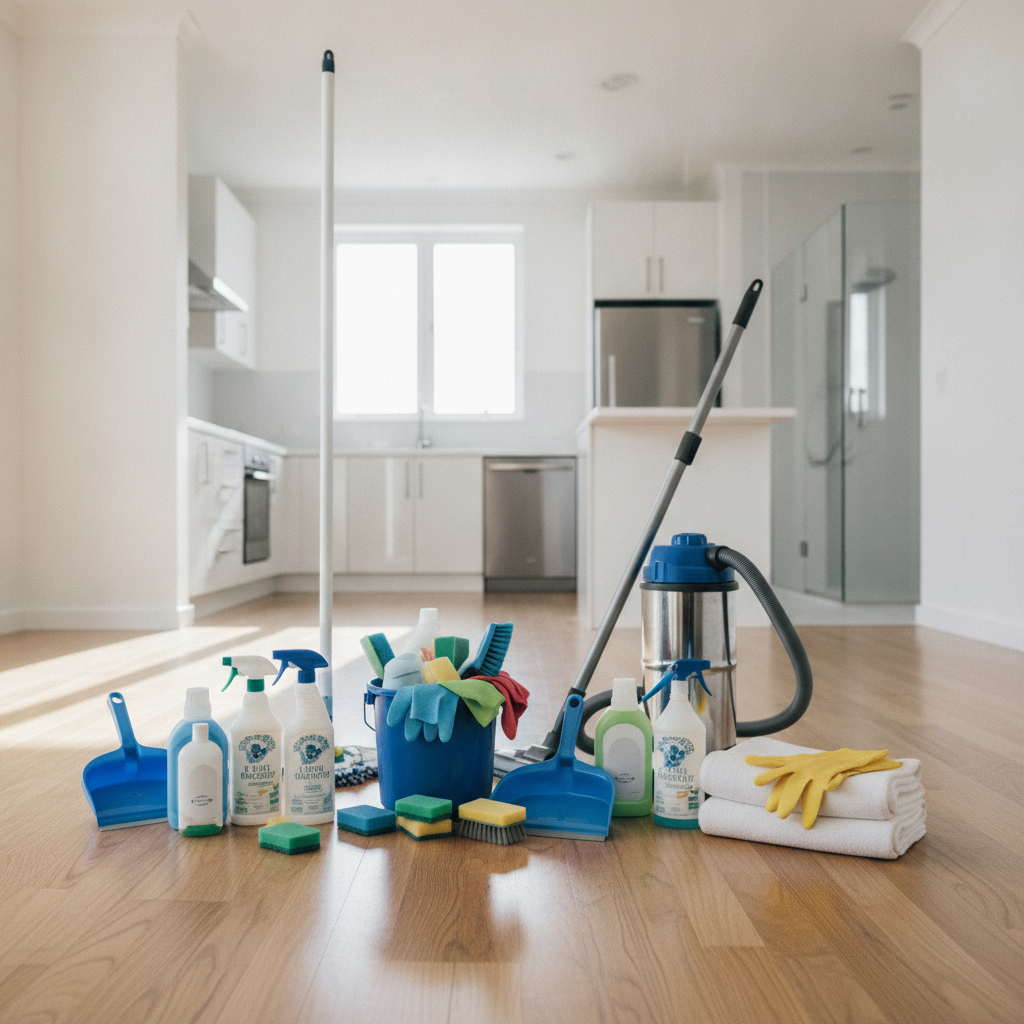
Securing your full end of lease bond refund depends heavily on returning your rental property in the same spotless condition it was in when you moved in, minus normal wear and tear. This requires a meticulous approach to cleaning every area of your home, and the best way to achieve this is by following a comprehensive end of lease bond cleaning checklist.
This guide provides a detailed, room-by-room checklist designed to help you cover all essential cleaning tasks, meet your landlord's expectations, and get your full deposit back without hassle. From the kitchen to the outdoor areas, we break down what needs your attention.
Table of Contents
- What is End of Lease Bond Cleaning?
- Why a Detailed Checklist is Essential
- Preparing for Your End of Lease Clean
- Kitchen Cleaning Checklist
- Bathroom Cleaning Checklist
- Bedroom and Living Areas Checklist
- Laundry Room Checklist
- Outdoor Areas and Garage Checklist
- Special Considerations for Bond Cleaning
- Final Checks Before Handover
- Frequently Asked Questions
What is End of Lease Bond Cleaning?
End of lease bond cleaning, often called 'exit cleaning,' is a thorough deep clean of a rental property that tenants undertake before vacating, aiming to restore it to the condition it was in at the start of the tenancy, excluding reasonable wear and tear. The goal is to meet the cleanliness standards specified in your lease agreement and original condition report, which is crucial for the return of your security bond.
Why a Detailed Checklist is Essential
A detailed cleaning checklist is vital because it ensures no area is overlooked and helps you align your cleaning efforts with the specific requirements often outlined by landlords and real estate agents. Without a clear plan, it's easy to miss critical spots that could lead to deductions from your bond, turning your moving experience into an expensive ordeal. It also provides a systematic approach, saving you time and effort.
Preparing for Your End of Lease Clean
Before you even pick up a sponge, a solid preparation strategy can save you significant time and effort. This initial phase sets the stage for a successful bond clean.
Review Your Lease Agreement and Condition Report
Your lease agreement often contains specific clauses regarding cleaning requirements, while your entry condition report provides a baseline for the property's state when you moved in. Compare your current observations with this report, noting any existing damage or discrepancies. This documentation is your primary defense against unfair bond deductions.
Pro tip: Take clear, date-stamped photos or videos of the property's condition before and after cleaning, especially problem areas. This visual evidence can be invaluable in case of a bond dispute.
Gather Your Cleaning Supplies
Ensure you have all the necessary tools and products on hand. This includes general purpose cleaners, degreasers, bathroom cleaners, glass cleaner, scourers, sponges, microfibre cloths, brushes, a vacuum cleaner, mop, bucket, and potentially a steam cleaner for carpets or upholstery if required by your lease.
Kitchen Cleaning Checklist
The kitchen is often the most scrutinized area of a rental property. A thorough clean here can significantly increase your chances of a full bond refund.
- Oven, stovetop, and rangehood: Degrease and thoroughly clean the interior and exterior of the oven, stovetop burners, hotplates, and rangehood, including filters. Remove all grease and food residue.
- Dishwasher: Clean inside and out, including filter and soap dispenser. Run an empty cycle with a dishwasher cleaner.
- Sink and taps: Clean and polish the sink, removing any stains. Shine taps and surrounding areas, removing limescale.
- Cupboards and drawers: Wipe down all internal and external surfaces, ensuring they are free from food crumbs, grease, and marks.
- Bench tops and splashbacks: Clean and sanitise all surfaces, removing stains and residues.
- Walls and tiles: Spot clean any marks, grease splatters, and cobwebs.
- Floor: Vacuum and mop thoroughly, paying attention to corners and edges.
Bathroom Cleaning Checklist
Bathrooms require meticulous attention to detail to ensure hygiene and prevent mould or mildew issues.
- Toilet: Clean and disinfect the toilet bowl, seat, lid, and exterior, including the base.
- Shower and bathtub: Scrub and remove all soap scum, mould, and mildew from tiles, grout, shower screen, and fixtures.
- Sink and vanity: Clean and sanitise the basin, taps, and vanity surfaces. Wipe inside and outside of cupboards and drawers.
- Mirrors: Clean and polish mirrors until streak-free.
- Walls and exhaust fan: Wipe down walls, spot clean marks, and clean the exhaust fan grille.
- Floor: Vacuum and mop thoroughly, paying attention to grout lines.
Bedroom and Living Areas Checklist
These areas need to be free of dust, marks, and any signs of your tenancy.
- Walls and skirtings: Spot clean any marks or scuffs on walls. Wipe down all skirting boards and architraves.
- Light fittings and fixtures: Clean light switches, power outlets, light shades, and ceiling fans.
- Windows and sills: Clean windows (inside and out where accessible), tracks, frames, and sills.
- Doors: Wipe down all doors, handles, and frames, removing fingerprints and marks.
- Wardrobes and cupboards: Clean shelves, drawers, and hanging rails. Wipe down doors, inside and out, including mirrors.
- Floors: Vacuum all carpeted areas, ensuring edges and under furniture are clean. Mop hard floors.
- Blinds and curtains: Dust or wipe down blinds. Vacuum or lightly clean curtains according to fabric type.
Laundry Room Checklist
Often a smaller space, the laundry room still requires careful attention.
- Sink and taps: Clean and polish the laundry tub and taps, removing any soap residue or stains.
- Cupboards and shelves: Wipe down all internal and external surfaces.
- Walls and exhaust fan: Spot clean walls and clean the exhaust fan.
- Floor: Vacuum and mop thoroughly.
- Dryer vent and lint filter: Clean out any lint or debris from the dryer's lint filter and visible vents.
Outdoor Areas and Garage Checklist
Don't forget the exterior of the property; landlords expect these areas to be maintained.
- Balconies, patios, and decks: Sweep and mop or hose down surfaces, removing leaves and debris.
- Garage: Sweep the floor, remove cobwebs, and wipe down any accessible shelving.
- Light fittings: Clean outdoor light fixtures.
- Gardens and lawns: Mow lawns, weed garden beds, prune shrubs, and remove any rubbish.
- Rubbish bins: Empty and clean all wheelie bins.
Special Considerations for Bond Cleaning
Some cleaning tasks require specific attention or professional help to meet bond requirements.
Carpets and Upholstery
Many lease agreements stipulate professional carpet cleaning at the end of a tenancy. If you have pets, this is almost always a requirement. Ensure you obtain a receipt from a reputable carpet cleaner to provide to your agent.
Pest Control
If your lease includes a clause for pest control, particularly for fleas if you've had pets, you must arrange for a professional pest treatment and provide proof of service.
Walls and Mould
Beyond spot cleaning, significant wall marks or mould issues may require more extensive treatment. If you suspect meth residue testing might be a concern due to previous tenants, or if you need to address broader environmental hygiene testing for mould, contact professionals.
Final Checks Before Handover
Before you hand over the keys, conduct a final walkthrough to ensure everything is in order.
- Double-check every room: Use this checklist one last time, looking at each item.
- Take final photos: Document the cleaned state of the entire property.
- Ensure all personal belongings are removed: No leftover items should remain.
- Secure the property: Lock all windows and doors.
- Return all keys: Make sure you return every key, including spares, as per your agent's instructions.
Frequently Asked Questions
What is a security bond for a rental property?
A security bond is a sum of money paid by the tenant at the start of a lease agreement, held by a government authority, to provide financial security to the landlord against potential breaches of the lease, such as unpaid rent, property damage, or cleaning costs beyond normal wear and tear.
How long does it take to get my bond back?
The timeframe for receiving your bond back can vary by region and individual circumstances, but typically, if there are no disputes, it should be processed within a few weeks after the tenancy officially ends and the final inspection is completed. Delays can occur if there are disagreements between the tenant and landlord regarding deductions.
Can a landlord deduct for normal wear and tear?
No, landlords cannot legally deduct from your bond for normal wear and tear. This refers to the natural deterioration of a property over time from ordinary use. Deductions can only be made for actual damage, excessive dirt, or neglect beyond what is considered fair wear and tear. Always refer to your original condition report and lease agreement to understand these distinctions.
Your Clean Exit Strategy
A successful end of lease clean is more than just tidying up; it's a strategic process that ensures you meet your obligations and secure your full bond refund. By following this comprehensive checklist, you'll approach your move-out with confidence, knowing you've addressed every detail.
Want more expert advice on managing your property or tenancy? Keep exploring the Restart Property Group blog or get in touch with our team for personalised assistance.