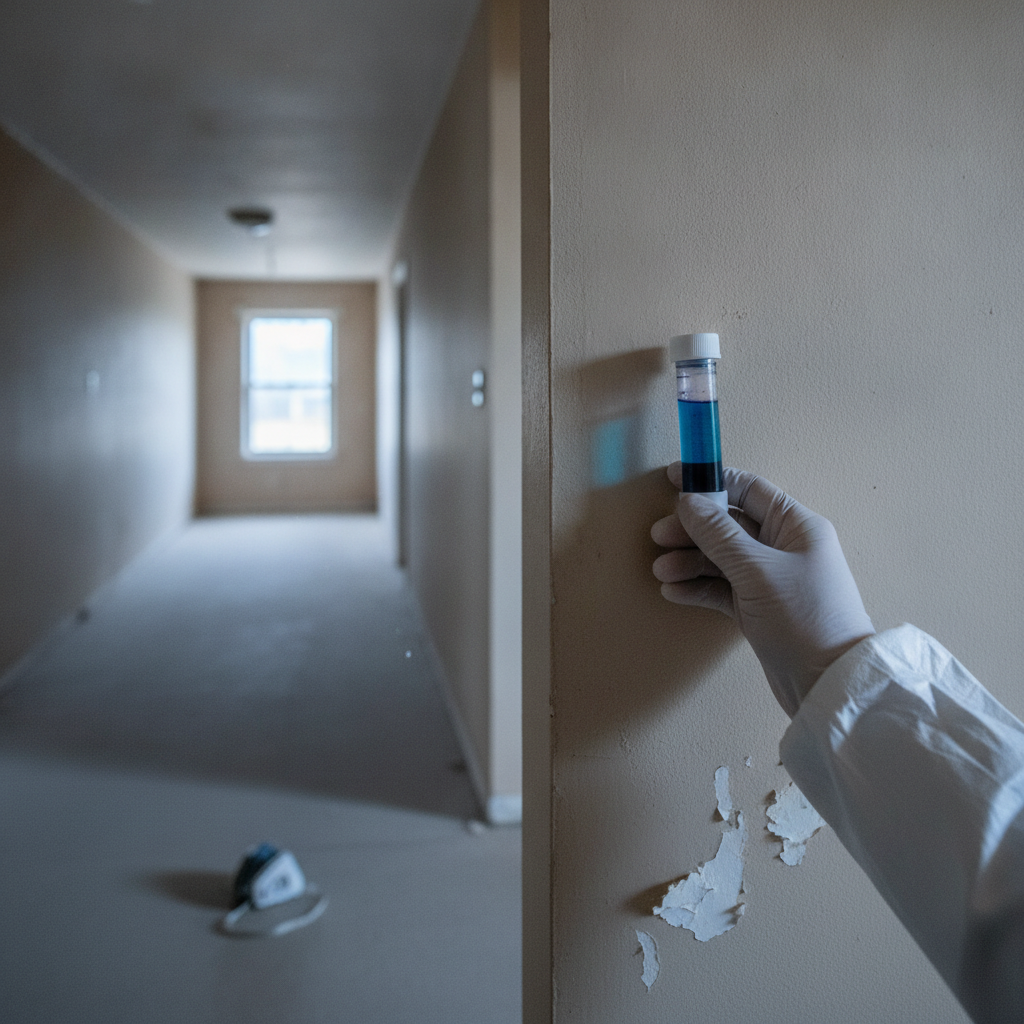
As a property owner, safeguarding your investment means more than just routine maintenance and tenant screening. An often-overlooked but critical concern is methamphetamine (meth) residue contamination in rental properties. This invisible threat can lead to serious health issues for occupants and significant financial and legal challenges for landlords.
Meth residue testing for rental properties is a crucial process that identifies the presence and level of methamphetamine contamination, protecting property owners from significant health risks, legal liabilities, and financial burdens. Understanding this process is vital for ensuring your property remains a safe and valuable asset. This guide will walk you through everything you need to know about meth residue testing.
Understanding Meth Residue and Its Risks for Property Owners
Methamphetamine use or production leaves behind toxic chemical residues that can seep into walls, carpets, ventilation systems, and other porous materials. These residues don't simply disappear with a standard clean; they persist and can cause a range of health problems for anyone exposed.
What is Meth Residue?
Meth residue refers to the chemical by-products left behind from smoking, producing, or even frequently using methamphetamine within a property. These microscopic particles contain hazardous chemicals that are odorless and colourless, making them impossible to detect without specialized testing.
Why Is It a Significant Risk for Landlords?
For property owners, meth contamination presents multiple severe risks:
- Health Hazards: Occupants, especially children, can suffer from respiratory problems, skin irritation, headaches, nausea, and long-term health complications from exposure. This can lead to serious legal implications if tenants fall ill due to your property.
- Financial Burden: Remediation costs can be exorbitant, ranging from thousands to tens of thousands of dollars, depending on the severity and extent of contamination. This includes specialized cleaning, removal of contaminated materials, and often structural repairs.
- Legal Liabilities: Landlords have a duty of care to provide a safe living environment. Failing to test and remediate a contaminated property can result in lawsuits, fines, and potentially even criminal charges.
- Property Devaluation: A property with known meth contamination can be extremely difficult to sell or re-rent, leading to significant loss of income and investment value.
Note: Some jurisdictions have specific legal requirements for meth testing and disclosure. It is vital to understand your local regulations to ensure compliance.
To further understand the broader importance of maintaining a healthy rental environment, consider reading Why Environmental Hygiene Testing is Crucial for Every Property Owner.
When Should You Consider Meth Residue Testing?
Proactive testing is always better than reactive remediation. Knowing when to test can save you immense trouble and expense.
Key Times to Test Your Rental Property
- Before a New Tenancy: This is arguably the most critical time. A pre-tenancy test establishes a baseline, protecting you from liability for previous contamination and allowing you to hold new tenants accountable if contamination occurs during their lease.
- After a Tenancy Ends: An end-of-lease test helps determine if any meth use or production occurred during the recent tenancy. This aligns well with your end of lease bond cleaning checklist, ensuring all bases are covered.
- If You Suspect Meth Use: Be vigilant for signs such as unusual chemical odours, discoloured walls or fixtures, excessive security measures by tenants, or secretive behaviour. If you have any suspicions, arrange for testing immediately.
- Before Selling a Property: A clean bill of health regarding meth residue can be a strong selling point and prevent complications during the sale process.
How Does Meth Residue Testing Work?
Meth residue testing is a specialized process that requires professional expertise to ensure accurate results and proper interpretation.
Types of Testing
There are generally two main types of meth residue tests:
- Presumptive or Screening Tests: These are quick, on-site tests that provide an immediate indication of whether meth residue is present above a certain threshold. They are good for initial screening or confirming suspicions but do not provide exact contamination levels.
- Laboratory Confirmatory Tests: If a screening test is positive or if a precise measurement is needed, samples are sent to an accredited laboratory for detailed analysis. This provides exact concentration levels (typically in micrograms per 100 square centimetres) and determines the extent of remediation required.
The Testing Process Explained
A typical meth residue testing process involves these steps:
- Initial Assessment: A qualified technician will inspect the property, identifying potential high-risk areas based on factors like ventilation, materials, and past occupancy.
- Sample Collection: Swab samples are taken from various surfaces (e.g., walls, ceilings, benchtops) in different rooms. For laboratory tests, these swabs are carefully sealed to prevent cross-contamination.
- On-Site Screening (Optional): If a screening test is requested, results are typically available within minutes, indicating a positive or negative for residue above a general safety guideline.
- Laboratory Analysis: Samples for confirmatory testing are sent to a specialized lab. The lab analyzes the swabs to determine the precise concentration of meth residue.
- Reporting: You receive a detailed report outlining the findings, including the specific meth levels in each sampled area, comparison to regulatory guidelines (where applicable), and recommendations for further action if contamination is found.
Pro tip: Always ensure the testing company is accredited and uses NATA-accredited laboratories for confirmatory testing. This ensures the reliability and legal defensibility of the results.
What Happens After a Positive Meth Residue Test?
Discovering meth residue is concerning, but it's a problem with a clear solution: professional remediation.
Understanding Safe Levels
Regulatory guidelines for acceptable meth residue levels vary by region, but a common benchmark is often 0.5 micrograms per 100 square centimetres. Levels above this usually trigger mandatory remediation.
The Remediation Process
If your property tests positive, you will need to engage a specialized meth remediation company. The process typically involves:
- Detailed Assessment: The remediation company will conduct a thorough assessment to determine the full extent of contamination.
- Containment: The affected areas are sealed off to prevent the spread of contaminants during cleaning.
- Removal of Contaminated Materials: Porous materials like carpets, curtains, plasterboard, and sometimes even furniture, may need to be removed and safely disposed of.
- Specialized Cleaning: Surfaces are thoroughly cleaned using specific chemicals and techniques designed to neutralize and remove meth residue. This is often a multi-stage process.
- Post-Remediation Testing: Once cleaning is complete, independent re-testing is crucial to confirm that all residue levels are below the safe threshold. This ensures the property is safe for re-occupancy and provides documentation for future records.
- Certification: Upon successful re-testing, the property is often issued a clearance certificate, confirming it is safe and habitable.
Proactive Measures to Protect Your Rental Property
While testing is key, a comprehensive approach to property management can significantly reduce your risks.
- Thorough Tenant Screening: Implement rigorous background checks, reference checks, and financial assessments for all potential tenants.
- Regular Property Inspections: Conduct routine inspections (as permitted by law) to monitor the property's condition and identify any suspicious activities or damage early.
- Educate Yourself: Stay informed about the signs of meth use and production.
- Clear Lease Agreements: Include clauses in your lease agreements specifically addressing illicit drug use and the tenant's responsibility for any resulting contamination and remediation costs.
- Insurance Review: Check if your landlord insurance policy covers meth contamination and remediation costs. Many standard policies do not, or have specific exclusions.
For more insights on protecting your rental property, you might find Protecting Your Investment: The Essential Guide to Meth Residue Testing for Rental Properties helpful.
Ensuring a Safe and Profitable Investment
Meth residue testing is not just an expense; it's a vital investment in the safety of your tenants and the long-term profitability of your property. By understanding the risks, knowing when and how to test, and taking proactive steps, you can confidently manage your rental properties and mitigate potential hazards.
Protect your assets and ensure peace of mind. To learn more about environmental hygiene or property management solutions, explore the Restart Property Group blog or get in touch with our team today.
Frequently asked questions
What is the typical cost of meth residue testing?
The cost of meth residue testing can vary significantly based on the type of test (screening vs. laboratory), the size of the property, and the number of samples taken. Screening tests are generally less expensive, while detailed laboratory analysis for multiple areas will incur higher costs. It's best to obtain quotes from accredited testing providers.
How long does meth residue testing take?
On-site screening tests can provide results within minutes. For laboratory confirmatory tests, the sample collection takes about an hour or two, and then laboratory analysis can take anywhere from a few days to a week, depending on the lab's workload and the urgency of the request. Ensure you discuss expected turnaround times with your chosen provider.
Can a regular cleaner remove meth residue?
No, standard cleaning methods are insufficient for removing meth residue. These toxic chemicals bind to surfaces and require specialized cleaning agents, equipment, and techniques to effectively neutralize and remove them. Attempting to clean it yourself or with a regular cleaner is ineffective and can be dangerous, potentially spreading the contamination.
Is meth residue always visible?
No, meth residue is almost always invisible and odourless. This is what makes it such a insidious threat. It can be present in high concentrations without any visible signs on surfaces, making professional testing the only reliable method of detection. Never assume a property is clear just because it looks clean.
What are the health effects of meth residue exposure?
Exposure to meth residue can cause a range of health issues, including respiratory problems (asthma-like symptoms, coughing), skin and eye irritation, headaches, nausea, dizziness, and fatigue. Children are particularly vulnerable and can experience more severe or long-term developmental and neurological effects from prolonged exposure.